Why Choosing the Right Conveyor System for Your Factory Matters?

Time:2026-08-10 Author:Ethan
0%

Choosing the right conveyor system for your factory is crucial. It impacts efficiency, productivity, and safety. Understanding how to select a conveyor system for your factory requires careful consideration of various factors.

The process starts with identifying your specific needs. Does your factory handle heavy loads or delicate items? Each choice has its unique requirements. Conveyor systems differ in design and functionality. This diversity can be overwhelming. However, an informed decision can streamline your operations significantly.

In addition, the layout of your facility plays a key role. A well-placed conveyor can reduce bottlenecks. But improper installation might lead to wasted space or accidents. Evaluating existing workflows makes a difference. Engaging with experts can provide invaluable insights. Ultimately, ensuring that your conveyor system aligns with your factory's goals is essential.
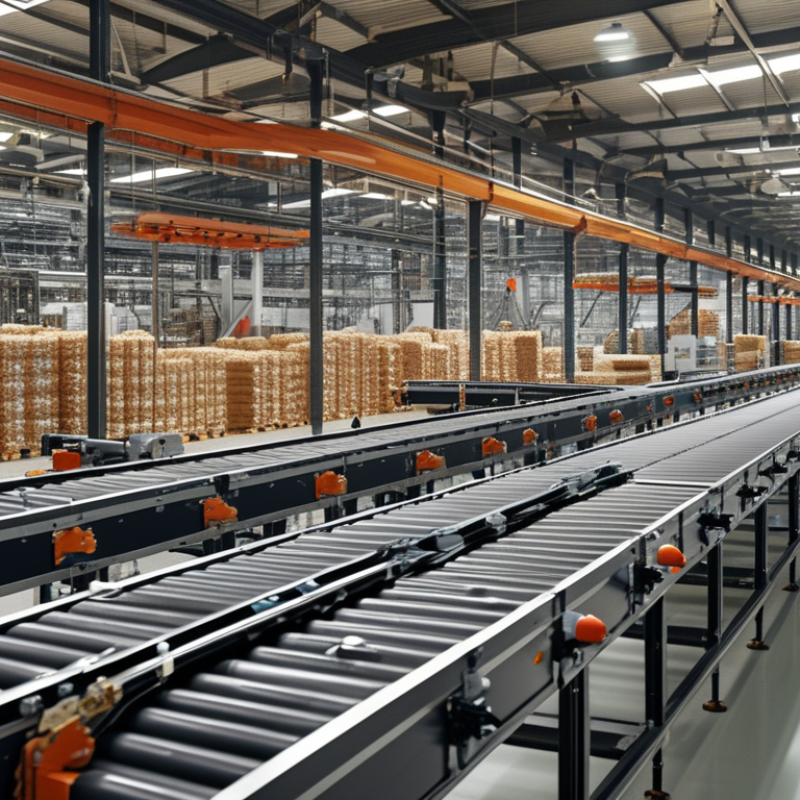
Why Choosing the Right Conveyor System for Your Factory Matters?

Understanding the Importance of Conveyor Systems in Manufacturing

In the manufacturing world, conveyor systems are critical. They streamline operations and improve efficiency. A well-chosen conveyor can significantly enhance production flow. This choice impacts labor costs, operational speed, and overall productivity. Each type of conveyor has unique strengths. Selecting the incorrect system may lead to bottlenecks and delays.

Proper evaluation is essential. Assess your factory's needs thoroughly. Consider the material types, weight, and size. These factors directly affect your system choice. It's easy to overlook details like maintenance costs and space limitations. An inappropriate system could lead to frequent breakdowns and increased expenses. Employees may face safety risks if the system is not aligned with their workflow.

Collaboration with experts can provide valuable insights. They can help identify the best-fit solution based on specific factory requirements. However, not all advice may be perfect or applicable. Reflect on the provided options and ensure they align with your long-term goals. A conveyor system is an investment, and choosing wisely pays off in the long run.

Factors to Consider When Selecting a Conveyor System for Your Factory

Selecting the right conveyor system for your factory is vital for operational efficiency. The choice heavily impacts productivity, safety, and maintenance costs. So, what factors should you consider?

Firstly, assess the type of materials you'll be handling. Different products require specific conveyor systems. Consider weight, size, and shape. A bulkier item may need a sturdier design. Think about space as well. An effective layout maximizes efficiency while minimizing congestion.

Next, reflect on the environment. Are there temperature fluctuations? Is moisture a factor? Such conditions can affect conveyor performance. It’s essential to choose systems that withstand operational challenges. Additionally, budget constraints matter. While it's tempting to go for the lowest price, a cost-effective, reliable conveyor will save money over time. Keep these details in mind for better decision-making.

Importance of Conveyor System Selection Factors

Types of Conveyor Systems and Their Specific Applications

Choosing the right conveyor system can greatly impact your factory’s efficiency. Different types of conveyor systems serve various purposes. For instance, belt conveyors are ideal for transporting bulk materials. They work well for both short and long distances. Roller conveyors, on the other hand, are suitable for moving packages and pallets. Their modular design allows for easy installation and modification.

Flexibility is key when selecting a system. Chain conveyors are perfect for heavy loads, while screw conveyors handle powdery materials effectively. Overhead conveyors free up floor space but require careful design to prevent overloading. Each system has its strengths and limitations. Thorough understanding is essential for optimal use.

Tip: Conduct a needs assessment before deciding. Consider the weight, size, and material type. Evaluate your factory layout to ensure system compatibility. Keep in mind, a mismatch can lead to inefficiencies and increased costs. Investing time in research pays off in the long run. Don't rush the selection process; it’s crucial for operational success.

Cost Efficiency and Productivity: The Impact of Conveyor System Choices

Choosing the right conveyor system can significantly influence a factory's cost efficiency and productivity. A well-designed conveyor system streamlines processes, reduces labor costs, and minimizes waste. According to a study by the Material Handling Industry of America, effective material handling can improve productivity by up to 25%. This emphasizes how crucial the conveyor choice is.

Investing in a suitable conveyor system reduces operational costs. Automated systems, for instance, can lower labor costs by 20-30%. However, the initial investment might seem daunting. Some factories hesitate, missing out on long-term savings. Data from the Association for Packaging and Processing Technologies indicates a 15% decrease in downtime when using optimal conveyors. This incremental improvement in uptime contributes to substantial cost benefits over time.

Although it seems straightforward, conveyor selection is often overlooked. Factors like load capacity, speed, and layout need careful consideration. In some cases, factories deploy systems that don't match their needs, leading to inefficiencies. Regular assessments and adjustments can enhance performance. While the path to finding the perfect system may be complex, the benefits are undeniable. The key lies in understanding specific operational demands and aligning them with the right technology to boost overall productivity.

Why Choosing the Right Conveyor System for Your Factory Matters? - Cost Efficiency and Productivity: The Impact of Conveyor System Choices

Conveyor Type Cost ($ per foot) Efficiency (%) Maintenance Frequency (per year) Load Capacity (lbs)
Belt Conveyor $25 85 2 2000
Roller Conveyor $30 90 3 1500
Chain Conveyor $40 80 4 3000
Magnetic Conveyor $50 95 1 1000
Pneumatic Conveyor $60 88 3 500

Maintenance and Longevity: Key Considerations for Conveyor Systems

Selecting the right conveyor system for your factory is crucial. Maintenance and longevity are significant considerations. Regular maintenance can extend system life. A well-maintained conveyor can last up to 10 years longer than one neglected. Reports suggest that inefficient conveyor systems lead to increased operational costs. Approximately 15% of production downtime stems from conveyor failures.

Consider the material of the conveyor. Metal systems, while durable, may require more maintenance. Plastic conveyors are lighter but might not offer the same longevity. Each option has trade-offs. Always assess your factory’s specific needs. Evaluate load capacity and environmental factors.

Tips: Invest in regular training for your maintenance team. They should understand not just how to fix, but also how to prevent issues. Use monitoring technology to track wear and tear. Predictive maintenance can save time and money. Keeping an eye on small issues prevents bigger headaches down the road. Remember, a proactive approach is invaluable in factory operations.

FAQS

: What factors should I consider when choosing a conveyor system?

: Consider the type of materials, their weight, size, and shape. The system should fit these needs well.

How does the environment affect conveyor performance?

Temperature and moisture can impact performance. Choose a system that can endure these conditions.

Why is cost efficiency important when selecting a conveyor system?

A good conveyor increases productivity and lowers labor costs. This promotes overall savings in the long run.

What impact can automated systems have on labor costs?

Automated systems can reduce labor costs by 20-30%. This helps in minimizing expenses over time.

How often should I assess my conveyor system?

Regular assessments are vital. They help address inefficiencies and improve system performance.

What maintenance considerations should I have for my conveyor system?

Focus on regular maintenance. This can extend the unit's lifespan significantly.

What material should I choose for my conveyor system?

Metal is durable but needs more upkeep. Plastic is lighter but may not last as long.

How can training benefit my maintenance team?

Training helps them learn preventive measures, reducing downtime due to unexpected failures.

What is predictive maintenance?

It involves monitoring wear and tear to address issues before they escalate, saving money and time.

Why is a proactive approach vital in factory operations?

It helps to identify and solve small problems early, preventing larger issues from developing over time.

Conclusion

Choosing the right conveyor system for your factory is crucial to optimizing manufacturing efficiency and productivity. Understanding the importance of conveyor systems involves recognizing their role in facilitating smooth material flow and minimizing production bottlenecks. When considering how to select a conveyor system for your factory, factors such as the specific application requirements, available space, and the types of materials being handled are fundamental.

Moreover, different types of conveyor systems serve various purposes, making it essential to match the system to the tasks at hand. Cost efficiency is also a key aspect, as the right conveyor system can significantly impact overall operational costs. Additionally, maintenance and longevity should not be overlooked, as regular upkeep ensures that the system remains reliable over time, further enhancing productivity. In summary, selecting the appropriate conveyor system is a multifaceted decision that can lead to substantial long-term benefits for manufacturing operations.

Ethan

Ethan

Ethan is a seasoned marketing professional with a deep expertise in our company's innovative product line. With a passion for sharing knowledge and insights, he takes the lead in regularly updating our corporate blog, where he explores industry trends, product features, and effective marketing......