Why Does My Conveyor Belt Keep Cracking and How to Fix It?

Time:2026-08-15 Author:Madeline
0%

In the industrial world, conveyor belts are crucial for efficient operations. However, one common issue that many face is a cracked conveyor belt. Renowned expert Dr. Emily Hart, a mechanical engineer specializing in material wear and tear, has noted, "Understanding why does a conveyor belt crack can save time and resources for businesses." Cracks can lead to costly downtime and hinder productivity.

The reasons for cracks often vary. Environmental factors, improper tension, and material fatigue can all play significant roles. For instance, exposure to extreme temperatures or corrosive substances can weaken the belt's integrity. Lack of routine maintenance is another contributing factor noted by many in the industry.

Additionally, the impact of a cracked conveyor belt can be profound. Operations might come to a halt. Safety hazards can increase, putting workers at risk. Reflecting on these issues provides insights into prevention and better management practices. Understanding "why does a conveyor belt crack" is vital for maintaining efficiency and ensuring workplace safety.
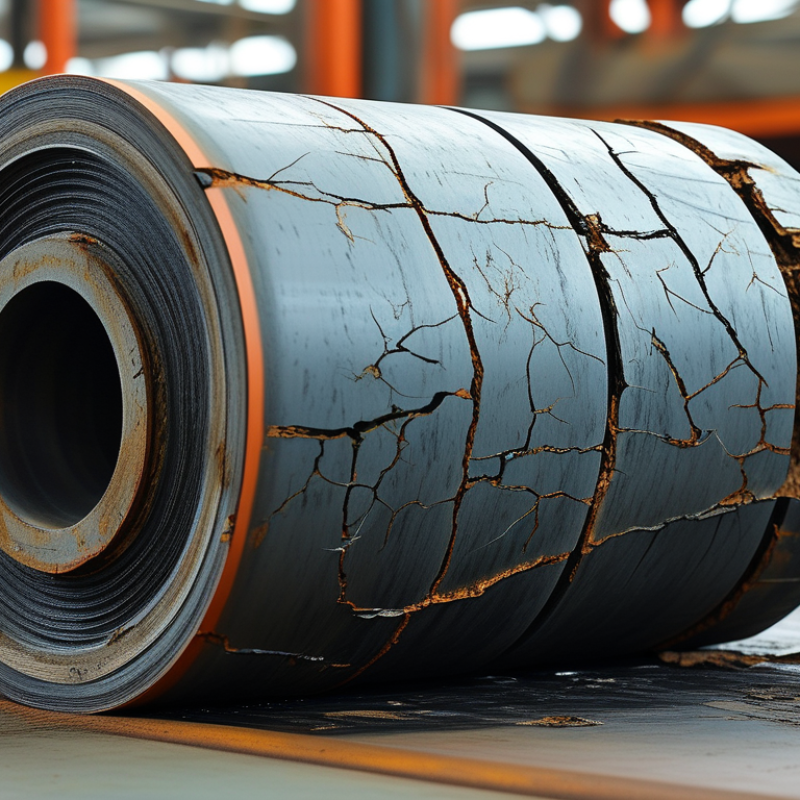
Why Does My Conveyor Belt Keep Cracking and How to Fix It?

Understanding the Common Causes of Conveyor Belt Cracking

Conveyor belt cracking is a prevalent issue in the manufacturing sector. According to a 2022 industry report, nearly 30% of conveyor system failures are attributed to premature belt cracking. Understanding why this occurs is essential for maintenance teams. Several factors can lead to this problem, including improper alignment, excessive tension, and poor material choice.

Improper alignment puts undue stress on the conveyor belt. According to research, misalignment can increase the wear rate by up to 50%. This stress manifests as cracks over time. Similarly, excessive tension can stretch the belt beyond its limits, further contributing to cracking. Maintenance teams should regularly check the alignment and tension settings to prevent these issues.

Environmental factors also play a significant role. Exposure to extreme temperatures or harsh chemicals can degrade the belt material. One study indicated that belts exposed to high temperatures deteriorate 20% faster than those in controlled environments. Regular inspections and adjustments are crucial. Reflecting on current practices can lead to better outcomes. Consider these factors carefully to enhance conveyor belt longevity.

Material Quality and Its Impact on Conveyor Belt Longevity

The quality of materials used in conveyor belts is crucial for their longevity. High-grade materials can withstand harsh operating conditions, while subpar materials can lead to premature cracking. According to a report by the Conveyor Equipment Manufacturers Association (CEMA), 40% of belt failures result from material defects.

Operators often underestimate the importance of material selection. For instance, belts made with inferior rubber composites are more prone to cracking. Tests indicate that belts using high-quality synthetic fibers can last up to 50% longer. This highlights the need for careful consideration of the materials chosen.

It's not just about the right material; proper maintenance matters too. Regular inspections can identify wear and tear before it leads to significant issues. Inadequate maintenance can exacerbate material defects, leading to unexpected breakdowns. Failure to address these factors can result in costly downtime and repairs, which many organizations overlook. Emphasizing quality and maintenance can improve the overall lifespan of the conveyor system.

Why Does My Conveyor Belt Keep Cracking and How to Fix It? - Material Quality and Its Impact on Conveyor Belt Longevity

Material Type Common Causes of Cracking Impact on Longevity Recommended Fixes
Rubber Heat, ozone exposure, and wear Reduced flexibility and lifespan Use anti-ozone additives; regular inspections
PVC Temperature fluctuations and chemical exposure Brittleness and cracking over time Select high-quality PVC; control environment
Polyester Fatigue from bending and heavy loads Increased risk of breakage Optimize load distribution; periodic tension checks
Nylon Low-quality manufacturing and improper usage Significant decrease in operational efficiency Invest in reputable suppliers; conduct routine maintenance

Environmental Factors Contributing to Conveyor Belt Damage

Environmental factors can significantly impact the integrity of conveyor belts. Temperature fluctuations are a major contributor to cracking. Research has shown that belts exposed to extreme heat can lose flexibility, making them prone to fractures. In contrast, cold snap conditions can cause materials to become brittle and more likely to crack.

Moisture is another critical factor. A study from a leading industrial maintenance organization indicated that around 20% of conveyor belt failures are attributed to excessive water exposure. Humidity leads to rust and mold growth, degrading the belts over time. Proper drainage and moisture control are essential for prolonging belt life.

Furthermore, chemical exposure can have devastating effects. Conveyor belts may encounter various substances, from oils to corrosive agents. According to industry data, belts exposed to chemicals can have their lifespan reduced by up to 50%. Awareness of the surrounding environment is vital in maintaining a belt's performance. Ignoring these factors can lead to costly downtimes and repairs.

Effective Maintenance Practices to Prevent Cracking

Conveyor belts are crucial in various industries. Cracking can lead to operational setbacks and increased costs. According to the Conveyor Equipment Manufacturers Association, improper maintenance is responsible for 30% of conveyor issues. To prevent cracking, proactive measures are essential.

Effective maintenance practices include regular inspections. Inspect for signs of wear, such as fraying edges and surface abrasions. A study by the International Journal of Engineering Research shows that 45% of conveyor failures result from lack of inspection. Maintain proper tension and alignment to reduce stress on the belt. Misalignment can create uneven wear and increase cracking risks.

Proper cleaning is another key practice. Dirt and debris can accumulate, causing friction and damage. A survey by the Material Handling Industry revealed that 25% of maintenance professionals neglect cleaning procedures. Using appropriate cleaning agents and techniques can greatly extend the belt's life. Regularly training staff on these practices can lead to a more reliable operation, promoting a culture of accountability and attention to detail.

Steps for Repairing or Replacing a Cracked Conveyor Belt

If your conveyor belt is cracking, it’s crucial to address the issue promptly. Cracks can lead to equipment failure and disrupt your operations. Start by inspecting the belt for any visible signs of damage. Look for wear and tear, particularly at stress points. Ensure that the belt is properly aligned and does not have any sharp edges that may exacerbate the problem.

Once you’ve identified the cracks, you need to decide whether to repair or replace the belt. Small cracks can often be repaired with adhesive or patches designed for conveyor belts. Clean the damaged area thoroughly before applying any patching material. However, if the cracks are extensive, consider replacing the entire belt. When doing so, ensure that the new belt matches the specifications of your system.

Regular maintenance can prevent further issues. Check the belt tension regularly, as a loose or overly tight belt can cause unnecessary stress. Additionally, inspect the rollers and pulleys for damage. Addressing these maintenance aspects can prolong the life of your conveyor belt and enhance overall efficiency. Remember, keeping a close eye on your equipment is vital for smooth operations.

Conveyor Belt Cracking Analysis

FAQS

: What causes conveyor belt cracking?

: Common causes include improper alignment, excessive tension, and poor material choice.

How does improper alignment affect conveyor belts?

Misalignment puts stress on the belt, increasing wear by up to 50%.

Can excessive tension lead to cracks?

Yes, it can stretch the belt too much, contributing to cracking.

What environmental factors affect conveyor belts?

Extreme temperatures and harsh chemicals can degrade the belt material.

How does temperature impact conveyor belts?

High temperatures can make belts lose flexibility and crack faster.

What role does moisture play in belt damage?

Excessive water exposure can cause rust and mold growth, leading to failures.

How can chemical exposure impact belt lifespan?

Exposure to chemicals can reduce belt lifespan by up to 50%.

Why is regular inspection important?

Inspections help prevent issues related to alignment, tension, and environmental factors.

What adjustments can enhance conveyor belt longevity?

Regularly check alignment, tension, and manage moisture and chemical exposure.

Are there any overlooked factors affecting conveyor belts?

Yes, neglecting environmental conditions can lead to increased downtimes and repair costs.

Conclusion

Conveyor belts are essential for efficient material handling, but one common issue is cracking. So, why does a conveyor belt crack? Various factors contribute to this problem, including poor material quality, which affects the belt's durability, and environmental conditions like moisture and temperature fluctuations that can lead to deterioration. Understanding these common causes is crucial for preventing further damage.

To mitigate the risk of cracking, effective maintenance practices should be implemented, such as regular inspections and proper lubrication. Additionally, knowing how to properly repair or replace a cracked conveyor belt can save time and resources. By addressing these aspects, operators can enhance the longevity of the conveyor system and minimize disruptions in their operations.

Madeline

Madeline

Madeline is a dedicated marketing professional with a wealth of expertise in our company's core offerings. With a keen understanding of the industry, she brings a unique perspective to her role, consistently delivering high-quality content that highlights the superior aspects of our products. As......