Choosing a conveyor belt is not simply a matter of selecting the lowest quotation. The belt must match your material, conveyor design, working environment, and production targets. A belt carrying crushed stone faces sharp edges, heavy impact, and abrasive dust. A food-processing belt may require smooth surfaces, easy cleaning, and strict material compatibility. Small mismatches can cause slipping, premature cracking, product contamination, or repeated downtime.
So, what should you consider before buying a conveyor belt? Begin with the conveyed material, including its weight, size, temperature, moisture, and abrasiveness. Then examine belt width, length, speed, load capacity, and pulley dimensions. The belt’s cover grade, tensile strength, splice method, and tracking performance also deserve careful attention. In my experience, buyers often focus on belt price while overlooking installation conditions. That decision can become expensive later.
Think beyond the first shipment. Will replacement parts be available locally? Can technicians install and inspect the belt safely? Does the supplier provide test data, maintenance guidance, and a clear warranty? Ask for documented specifications instead of relying on vague promises. Measure your current conveyor carefully. Photos help, but measurements are better.
There is no perfect belt.
This guide explores ten practical considerations before purchase. It connects technical requirements with daily operating realities, including cleaning, tension adjustment, weather exposure, and emergency repairs. Some recommendations may need revision after a site inspection. That is not a weakness; it is responsible decision-making. A reliable conveyor belt should support safe, efficient production for years, not merely look suitable on a supplier’s product page.
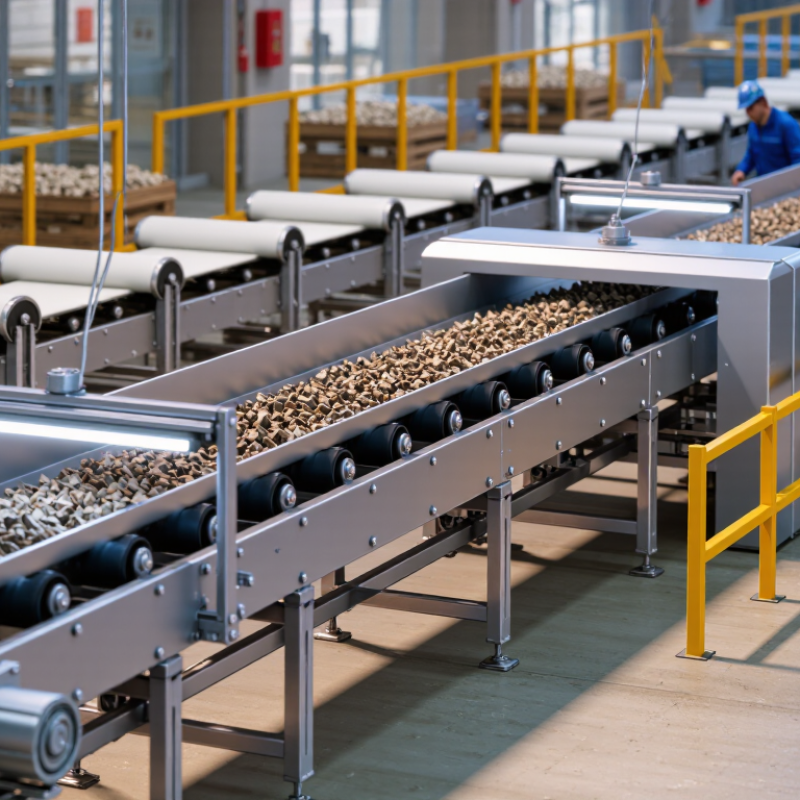
A conveyor belt should match its actual purpose, not a general description such as “moving materials.” Define whether it will carry cartons, bulk powder, hot parts, or sharp aggregates. Record the product’s weight, dimensions, surface, and flow rate. A 25-kilogram carton needs different support from loose gravel.
Measure twice. Specify the required belt speed, conveyor length, incline, and loading method. Sudden impact at the loading point can damage a belt even when the average load seems acceptable. Include start-up conditions, because a fully loaded belt may demand much higher drive force than a running system. Practical calculations should use verified measurements, not rough guesses.
Operating conditions often decide the belt’s service life. Check ambient temperature, moisture, dust, oil, cleaning chemicals, and exposure to sunlight. A belt used near a furnace needs different materials from one handling chilled food. Confirm pulley diameters, tracking limits, and available maintenance space before ordering. Small clearances create serious service problems.
I have seen specifications fail because the operator’s real loading pattern was never documented. That oversight is easy to repeat. Leave a clear safety margin, but question excessive margins that increase cost without solving a real risk.
Match the cover material with the conveyed product and working conditions. Rubber suits heavy bulk loads. PVC or TPU may suit cleaner, lighter materials. Check moisture, oil, chemicals, heat, and abrasion. A small mismatch can cause swelling or cracking.
The carcass controls stability, stretch, and tension performance. Textile plies suit many short and medium conveyors. Steel-cord construction supports long spans and high tension. It requires accurate alignment and careful splicing.
No. Width, loading, start-up torque, trough angle, and take-up travel affect actual belt demand. A high rating cannot prevent unsuitable cover wear. More strength is not always better.
Collect load, friction, elevation, pulley resistance, and material density. Include operating speed and conveyor length. Use measured inputs instead of guesswork. Guesswork looks quick, but it can become expensive.
Confirm temperature, impact size, moisture, cleaning chemicals, and material abrasiveness. Hot clinker and oily parts need different cover properties. Leave practical allowance for misalignment. Do not add excessive allowance without a reason.
Include purchase, installation, splicing, cleaning, energy use, repairs, and downtime. One failed splice can stop a loaded line for hours. The cheapest quote may cost more later. Price alone is incomplete.
Ask for technical drawings, installation instructions, joining guidance, and emergency support. Request references from similar conveyor applications. Confirm local replacement stock and available delivery times. Friendly promises are not enough.
Record length, width, thickness, splice type, and operating conditions. Recheck every dimension on site. Old measurements may be wrong. I have seen rushed purchases repeat the same mistake.
Keep an approved replacement plan before installation. Check whether equivalent belts are available from multiple qualified sources. Store critical spares in a clean, dry area. Test a sample under real loads when possible. Warranty wording may not cover labor or downtime.
Before purchasing a conveyor belt, it is important to understand the specific job it must perform. Ask what materials it will transport, how heavy and abrasive the load is, and what operating conditions it will face, including temperature, moisture, chemicals, speed, and incline. Choosing the correct belt material, structure, thickness, and tensile strength will help ensure reliable performance and prevent premature failure.
You should also confirm that the belt’s width, length, tracking design, and connection method match the existing conveyor system. Consider workplace safety, cleaning and maintenance requirements, expected service life, and how easily the belt can be repaired or replaced. When comparing options, look beyond the initial purchase price and evaluate total ownership cost, supplier support, delivery time, warranty coverage, and replacement availability. In short, what should you consider before buying a conveyor belt is not only its price, but also its compatibility, durability, safety, and long-term value.

 Trakkx Tech