Why Are Some Conveyor Belts More Durable Than Others?

Time:2026-09-24 Author:Sophia
0%

A conveyor belt can appear sturdy while hiding weak points beneath its surface. What makes a conveyor belt durable is not one feature, but the way its materials and construction match the job. A belt carrying sharp stone faces different stresses from one moving warm, oily packages. Small details matter. A rough loading zone can cut the cover, while repeated flexing around tight pulleys can strain the belt’s internal reinforcement. Heat, moisture, chemicals, and abrasive dust also change how quickly materials wear.

The outer cover must resist the actual material being conveyed, and the carcass must handle the required tension and impact. Strong plies alone are not enough. Splice quality, pulley alignment, correct tension, and routine cleaning all affect service life. A belt that is poorly aligned may wear along one edge, even if its materials are well chosen. That matters. Maintenance teams can look for exposed reinforcement, cracking, uneven wear, and slipping, then compare those signs with operating conditions. Still, wear does not always point to a single cause. Blaming the belt may overlook a rough transfer point or a change in load. Durable performance comes from selecting suitable specifications and checking the whole conveyor system, not simply buying the thickest belt available.
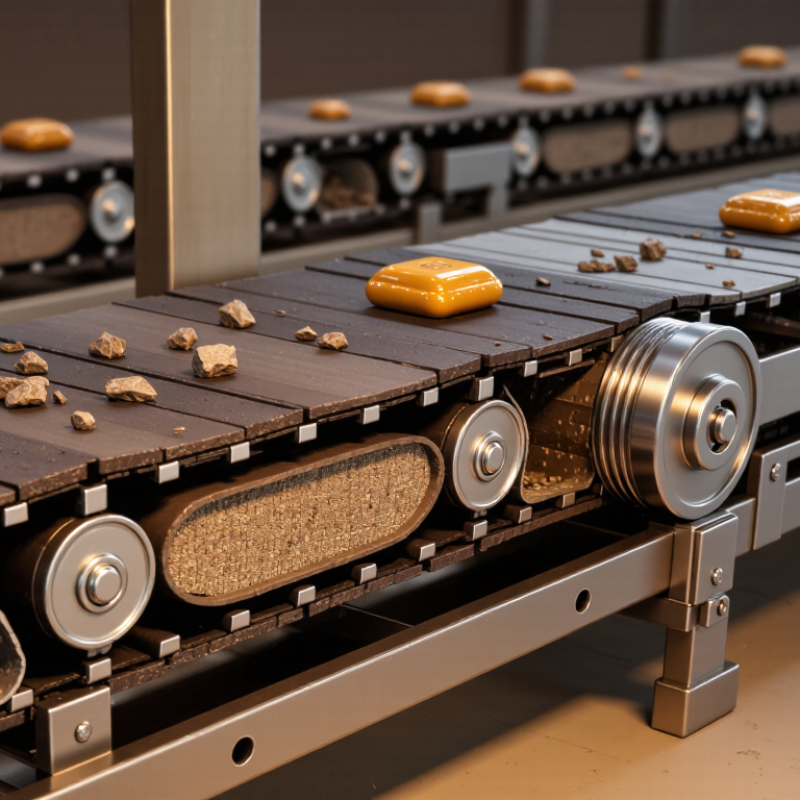
Why Are Some Conveyor Belts More Durable Than Others?

What Determines the Durability of a Conveyor Belt?

A conveyor belt’s durability depends on how well its materials and construction match the job. The cover must resist the main source of wear, whether that is sharp stone, oily material, heat, or repeated impact. A belt carrying crushed rock needs a different surface from one moving packaged goods. The carcass underneath also matters. Fabric plies or steel reinforcement help the belt handle tension, while poor splicing can create a weak point even in a well-made belt. Small cracks near a splice are worth investigating early.

Operating conditions can shorten service life faster than material choice alone. Excessive tension strains the belt and its joints. Misaligned rollers can make one edge rub continuously against the frame. Material falling from too high may cut or dent the cover; dust and trapped debris can increase abrasion. In maintenance inspections, look for uneven edge wear, exposed reinforcement, surface cuts, and unusual tracking changes. Record where damage appears and how quickly it grows. The pattern often points to the cause, though not always. I’d be cautious about blaming the belt before checking loading and alignment.

Tips: Match cover properties to the actual material and temperature. Keep loading centered, clean buildup from rollers, and check belt tension against the equipment’s specifications. Inspect splices and damaged areas regularly. A brief inspection log can reveal a developing problem before a small defect spreads.

How Belt Materials Affect Strength and Wear Resistance

Why Are Some Conveyor Belts More Durable Than Others?
How Belt Materials Affect Strength and Wear Resistance

A belt’s service life depends on more than its thickness. The carcass carries tension, while the outer covers resist impact, abrasion, heat, and oils. Textile carcasses are flexible and suit many general-duty systems. Steel-cord designs handle higher tension and longer conveying distances, but need careful alignment and splice work. ISO 283 classifies belt tensile strength across ratings from 315 to 6,300 N/mm. These figures describe tested tensile strength, not guaranteed service life. That distinction matters.

Cover compounds make a visible difference at the loading point, where sharp stone can strike and drag across the surface. Harder rubber may resist cuts, while abrasion-resistant compounds can reduce material loss during sliding contact. Yet “harder” does not automatically mean “better.” ISO 4649 measures rubber abrasion by volume loss under specified test conditions; actual results depend on the compound and test setup. In a plant, dust, moisture, temperature, and scraper pressure can change wear patterns. A belt that performs well in a laboratory may wear differently beneath a misaligned chute.

Polyurethane and PVC covers are used in some applications where oils, cleanliness, or flexibility matter, while rubber remains common for heavy bulk handling. Selection should match the conveyed material and operating conditions, not just a catalogue strength rating. Check splice quality, cover thickness, and carcass construction together. Small detail. A poorly set scraper can still shorten the life of an otherwise suitable belt, and that is easy to overlook.

Why Belt Construction Influences Service Life

A conveyor belt’s service life depends on more than its rubber cover. The layers beneath it carry tension, absorb impact, and keep the belt tracking straight. A fabric belt may suit a light packaging line, while a steel-cord design can handle longer spans and heavier loads. The right choice depends on operating conditions, not just belt thickness.

Construction details matter every shift. A belt with strong adhesion between its layers is less likely to separate when it flexes around pulleys. The carcass material also affects stretch: excessive elongation can cause frequent tension adjustments and uneven wear. Covers need to match the conveyed material. Sharp stone, warm product, oil, or moisture can each damage an unsuitable cover. Even a well-built belt can wear early if pulleys are misaligned or material spills beneath it. That part is easy to overlook.

Tips: Check splice edges, belt tracking, and cover cuts during routine inspections. Record where wear appears; a worn patch near one loading point may reveal an impact or alignment problem. Keep notes. They are not always complete, and my first guess about the cause can be wrong, so compare observations over several inspections before changing the belt specification.

How Operating Conditions Accelerate Belt Damage

Why Are Some Conveyor Belts More Durable Than Others?
How Operating Conditions Accelerate Belt Damage

A belt’s service life depends on more than its construction. At a loading point, a sharp rock can strike the same area hundreds of times each shift. If the material falls from too high, repeated impact may cut the cover or loosen the belt’s internal layers. Lowering the drop height and supporting the belt beneath the chute can reduce that stress.

Heat and contamination cause quieter damage. Hot material can harden or crack a cover not suited to the temperature, while oil may soften some rubber compounds. Fine dust can work between the belt and pulley, acting like abrasive grit. Scrapers help, but poorly adjusted blades may score the surface instead. Small changes matter.

Tension and tracking deserve regular attention. A belt that runs off-center can rub against the frame, wearing one edge until cords become exposed. Excessive tension adds strain to splices and bearings; too little can cause slip and heat at the drive pulley. A quick visual check may miss damage beneath the cover, so operators should record wear patterns and inspect splices during planned maintenance. Conditions vary, and a setting that works on one conveyor may not work on another. That part is easy to underestimate.

Why Are Some Conveyor Belts More Durable Than Others? - How Operating Conditions Accelerate Belt Damage

Operating Condition How It Accelerates Damage Typical Warning Signs Relative Damage Risk Practical Ways to Reduce Wear
Abrasion from rough or sharp bulk material Repeated sliding and impact wear away the cover, eventually exposing the reinforcement. Grooves, thinning, cuts, or visible fabric and cords. High when material is coarse or abrasive Use a cover compound suited to the material; reduce sliding at transfer points and keep loading zones aligned.
Impact at loading and transfer points Falling material creates concentrated forces that can cut the cover, damage the carcass, or cause localized delamination. Impact craters, punctures, cracks, or damage concentrated below a chute. High with large drop heights or uneven loading Reduce drop height where feasible, control material flow, and use correctly designed impact beds or idlers.
Material build-up on pulleys and idlers Carryback can create uneven pulley contact, belt mistracking, and extra friction against the belt surface. Uneven wear, belt drift, vibration, or material accumulating around rotating components. Moderate to high if persistent Maintain effective belt cleaners, inspect return idlers, and remove build-up safely during scheduled maintenance.
Mistracking and poor alignment Contact with structure or pulley edges abrades belt edges and can damage splices and reinforcement. Frayed edges, edge cuts, rubber dust, or repeated contact with the conveyor frame. High when alignment problems continue Check pulley and idler alignment, loading symmetry, and belt tension; correct the underlying cause rather than repeatedly steering the belt.
Excessive tension or frequent starts and stops High tensile loads and repeated acceleration can fatigue the belt carcass and place additional stress on splices. Splice separation, carcass distortion, or recurring damage near joints. Moderate; depends on system design and duty cycle Set tension to the conveyor design requirements and use suitable starting controls for the drive and load.
Heat from hot material or nearby equipment Elevated temperatures can harden, soften, or crack belt compounds that are not suited to the exposure. Surface cracking, hardening, blistering, or changes in cover appearance. High if the belt exceeds its temperature rating Match belt construction to the expected material and ambient temperatures; verify actual operating temperatures.
Oil, grease, chemicals, or moisture Incompatible substances can swell, soften, embrittle, or weaken belt covers and bonding materials. Swelling, tackiness, surface softening, cracking, or reduced splice adhesion. Varies with substance, concentration, and exposure time Confirm chemical compatibility, prevent leaks where possible, and select belt materials appropriate to the exposure.
Small debris trapped between belt and pulley Trapped material can score the belt cover and create concentrated wear or punctures as the belt circulates. Repeated marks, longitudinal scratches, or damage recurring at regular intervals. Moderate; can become severe if debris persists Inspect cleaning systems and pulley areas, and remove debris using safe lockout procedures.
Ultraviolet exposure and outdoor weathering Long-term sunlight and weather exposure can age some rubber compounds, reducing flexibility at the surface. Surface fading, fine cracks, or brittleness on exposed sections. Low to moderate; higher with prolonged exposure Use materials designed for the environment and inspect exposed sections as part of routine condition checks.

Relative risk is a general comparison, not a service-life prediction. Actual belt durability depends on belt construction, conveyor design, material properties, operating conditions, and maintenance practices.

Which Maintenance Practices Extend Conveyor Belt Life

Conveyor belts often fail gradually, not all at once. A frayed edge, a small splice gap, or material packed beneath the return rollers can signal trouble. Walk the full belt route during scheduled inspections. Look for cuts, uneven wear, mistracking, and unusual dust. Take photos from the same locations each week; small changes are easier to spot side by side.

Keep pulleys and rollers clean. Build-up can push a belt off-center and wear one edge faster. Check scraper blades and adjust them when they leave visible residue, rather than tightening them until they gouge the cover. Listen, too. A new squeal or repeated thump deserves attention. Stop equipment before clearing jams or working near moving parts, and follow site safety procedures. Small checks matter.

Record belt tension, tracking adjustments, splice repairs, and operating conditions. Use the belt maker’s guidance and your equipment manual for limits; guessing at tension can create more damage. Replace worn rollers promptly, since a seized roller can generate heat and cut into the belt. Train operators to report changes, not just breakdowns. In practice, records may be incomplete on busy shifts. That is worth fixing: even a brief dated note can reveal a pattern before a minor defect becomes a long shutdown.

FAQS

What factors determine a conveyor belt’s durability?

Durability depends on the belt materials, construction, load, and operating conditions. The cover must suit the material being carried, while the carcass must handle the required tension.

How does the belt cover affect wear resistance?

The cover protects against abrasion, cuts, impact, heat, and oils. Sharp stone may need a cut-resistant surface, while oily or warm materials require a suitable compound.

What does the carcass do?

The carcass carries tension and supports the belt. Fabric constructions suit many general-duty systems, while steel reinforcement can handle higher tension and longer conveying distances.

Does a thicker or harder belt always last longer?

No. Thickness and hardness alone do not guarantee longer service life. A harder cover may resist cuts, but the right choice depends on the material and conditions.

How can misalignment shorten belt life?

Misaligned rollers can make an edge rub against the frame continuously. That friction may cause uneven edge wear, even when the belt material is suitable.

What should routine inspections look for?

Check splice edges, surface cuts, exposed reinforcement, uneven wear, and changes in tracking. Small cracks near a splice deserve attention.

How can loading and housekeeping affect wear?

Off-center loading can disturb tracking, while material falling from too high may cut or dent the cover. Dust and trapped debris can increase abrasion.

How can a maintenance log help?

Record where damage appears and how quickly it grows. Repeated patterns may point to an impact or alignment issue, though the first diagnosis can be wrong.

Can a suitable belt still wear out early?

Yes. Poor splicing, excessive tension, misaligned equipment, or a badly set scraper can shorten its life. The belt is not always the cause.

Conclusion

What makes a conveyor belt durable depends on how well its materials, construction, and intended use work together. The belt’s material affects its strength, resistance to abrasion, and ability to withstand heat, moisture, chemicals, or repeated flexing. Its construction—including the quality and arrangement of its layers, reinforcement, and joints—also influences how effectively it carries loads and resists tearing or separation over time.

Even a well-made belt can wear out quickly if it is overloaded, misaligned, exposed to harsh conditions, or operated with poorly adjusted components. Regular inspections, prompt repair of minor damage, correct tension and alignment, and cleaning suited to the belt’s environment can help prevent avoidable wear. Choosing a belt for the actual operating conditions and maintaining it consistently are key to extending its service life and supporting reliable conveyor performance.

Sophia

Sophia

Sophia is a dedicated marketing professional with an exceptional depth of knowledge about her company's products and services. With a keen understanding of market trends and customer needs, she crafts insightful blog posts that not only inform but also engage readers, enriching the company’s online......